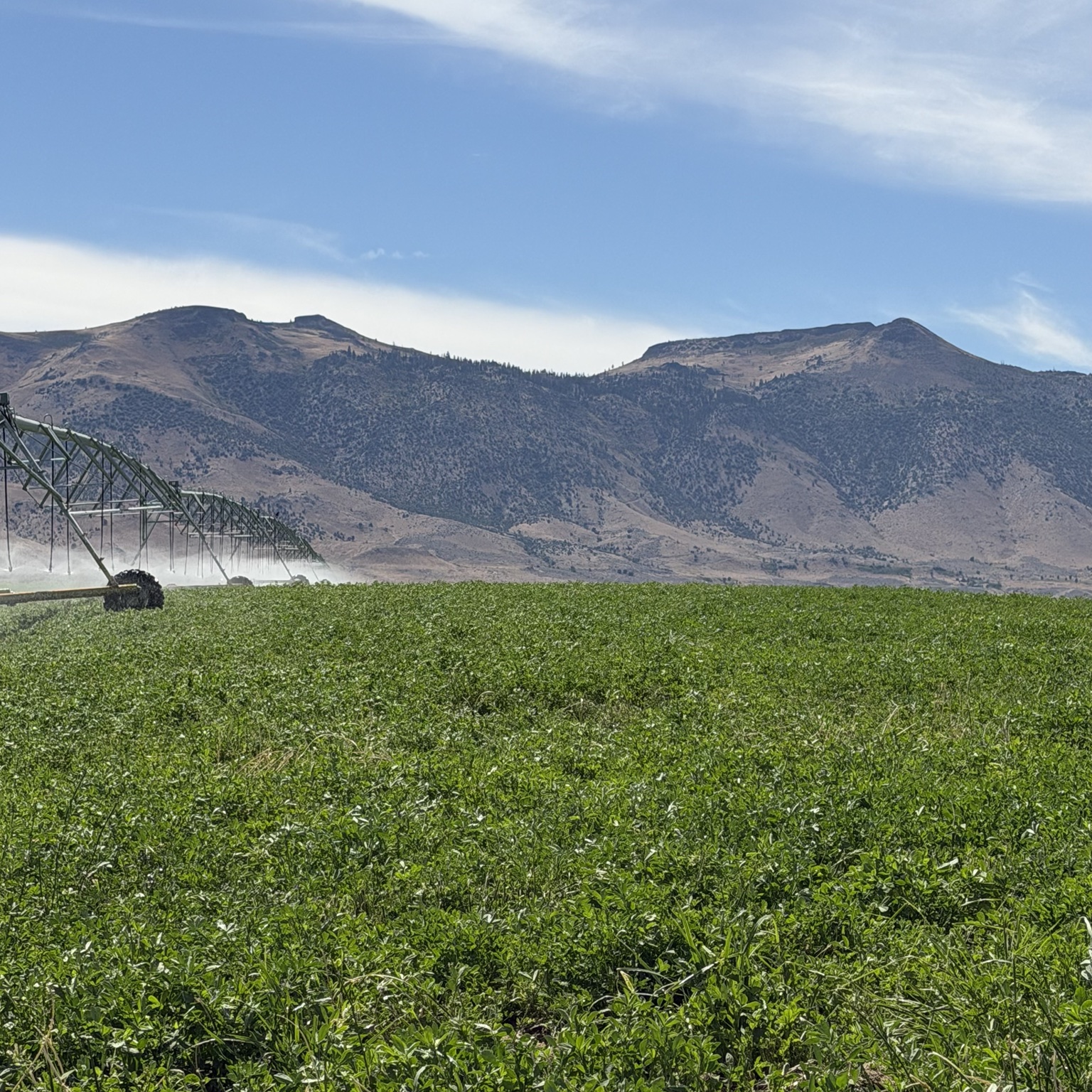
Northern California / North Intermountain
Demand holds firm, but diesel changes the delivered-hay math
USDA’s September 11 report described California trade activity and both dairy and retail demand as good.
What changed
California reported 8,673 tons and 63,488 bales in confirmed hay trades. Reported tonnage declined from the prior report while bale volume more than doubled. California on-highway diesel also rose 55 cents in one week to $7.76 per gallon, putting new pressure on delivered bids.
Pricing and demand
Dairy-test alfalfa is trading at $240 to $260 per ton for premium dairy-quality hay. Cow hay was reported at $185 per ton for Fair alfalfa sold into the farm-and-ranch channel. North Intermountain retail FOB trades put premium alfalfa at $13 per three-tie bale for new crop and $14 to $15 for second cutting, while premium orchardgrass was $16 contract and $17 spot. Using 20 bales per ton, those retail FOB prices equal $260 to $300 per ton for alfalfa and $320 to $340 for orchardgrass. Retail store listings at Murry Ranch Hay & Feed ranged from $19 to $27 per bale, with advertised alfalfa at $19, orchardgrass at $20 to $23, alfalfa-orchardgrass at $22, and first-cut timothy at $27.
These channels should not be treated as one Western hay price. Dairy-test alfalfa and cow hay serve different buyers and quality specifications; retail FOB reflects small-bale hay sold from the producer; and store listings also carry the retailer’s handling, carrying cost, shrink, customer service, and margin. The store prices are useful market context, but they are not a direct comparison with a farm-gate bid.
Water & harvest
Nevada’s early-September report said rain forecasts postponed cutting across much of the state. Protect late-season quality and avoid forcing a cutting merely to keep the calendar moving.
Fuel & freight
EIA’s September 7 reading put California diesel at $7.764 per gallon, up $0.546 from the prior week. Reprice trucking, loader time, and field fuel before confirming delivered sales.
What to watch next
- California report: whether very good demand holds in the next USDA release.
- Diesel: whether the September spike persists into next week.
- Quality spread: premium dairy and retail hay versus feeder-grade lots.
- Weather: late cutting windows and rain risk across the Intermountain region.
- Freight: buyer resistance as higher trucking costs reach delivered quotes.
Do not discount good hay just to create movement. Demand is present. Recalculate every delivered bid using current fuel, keep premium and feeder lots separate, and sell each stack into the channel that recognizes its value.
Sources: USDA AMS California Direct Hay Report, week ending September 11; USDA AMS Nevada Direct Hay Report, week ending September 4; Murry Ranch Hay & Feed online store listings viewed September 11; U.S. EIA retail diesel prices for September 7. Confirm current grade, bale weight, terms, freight, and local bids before transacting.